
7 Things You Should Know Before Shipping Hazardous Materials
If your business sells items like perfume, hair spray, cleaning wipes, or battery-powered devices, congratulations—you’re in the hazmat club.
Shipping hazardous materials comes with strict rules, but too many brands underestimate just how complex those rules can get. Before you send your next shipment, here are seven essential things you should know about hazardous materials fulfillment.
1. Not All Dangerous Goods Are Obvious
Many eCommerce businesses don’t realize their products count as hazmat. Common examples include:
Nail polish, perfumes, and deodorants
Laptop batteries and power banks
Cleaning supplies and solvents
Aerosol sprays and disinfectants
Always review your SDS (Safety Data Sheets) to confirm whether your products are regulated.
2. Packaging Matters More Than You Think
Hazmat shipping isn’t just about putting products in boxes—it’s about using certified, tested, and durable packaging.
The wrong packaging can lead to leaks, chemical reactions, or carrier refusal. Certified 3PLs ensure the correct containers, cushioning, and outer packaging are used.
3. Labeling Is a Legal Requirement
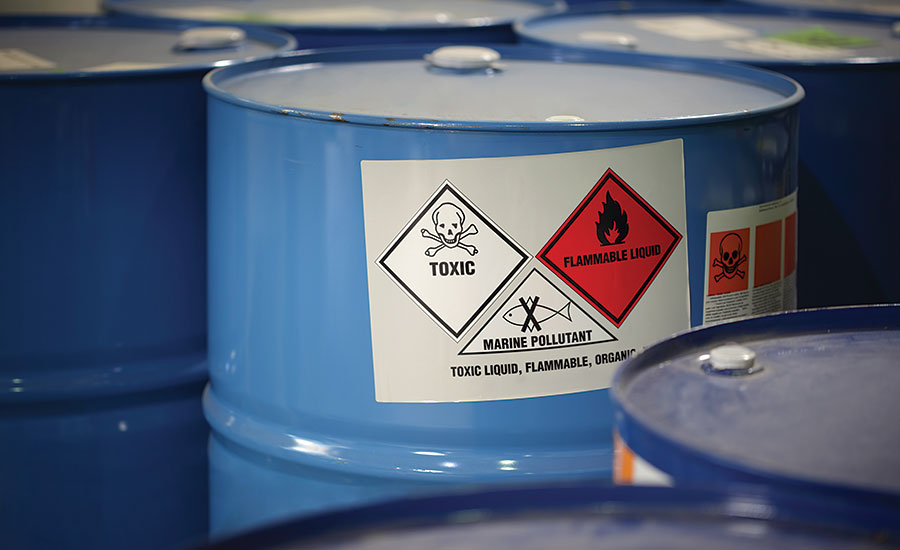
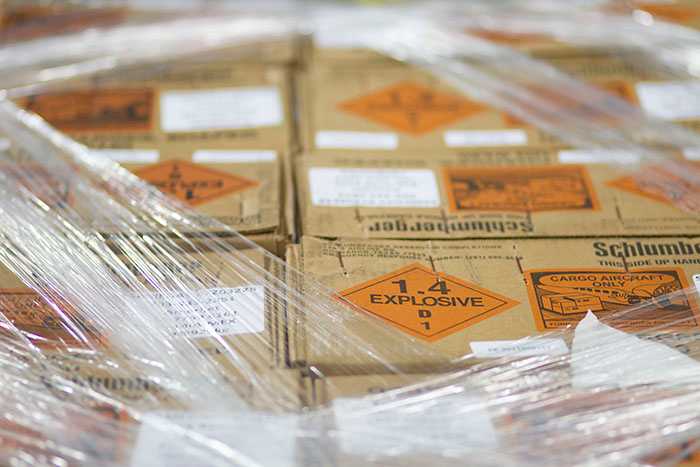
Incorrect or missing labels are one of the most common (and costly) compliance violations. Each package must clearly display the correct hazard class, UN number, and handling instructions.
At Upstate Prep, our team verifies all labels and markings before shipment—ensuring compliance with DOT and IATA standards.
4. Hazmat Requires Trained Personnel
Only certified personnel can legally handle and ship hazardous goods.
That includes those responsible for:
Packaging and labeling
Preparing shipping documentation
Coordinating with carriers
Upstate Prep maintains trained staff with DOT hazmat certification, ensuring every shipment meets safety and legal requirements.
5. Carriers Have the Final Say
Even if your shipment is packaged and labeled correctly, carriers can still reject it if it doesn’t meet their internal hazmat standards. Working with a 3PL experienced in carrier coordination can prevent costly delays.

6. International Hazmat Shipping Is a Different Game
Cross-border hazmat shipping involves IATA (air) and IMDG (sea) regulations that are separate from U.S. DOT rules.
A partner like Upstate Prep manages all this complexity—handling documentation, carrier selection, and customs declarations for you.
7. Non-Compliance Can Cost More Than You Think
Regulatory penalties for mishandling hazmat shipments are steep:
Up to $75,000 per violation
Shipment confiscation
Temporary or permanent carrier bans
Proper compliance isn’t optional—it’s your shield against fines and brand damage.
How Upstate Prep Helps
We’ve built our Hazardous Materials Shipping service specifically for eCommerce and CPG brands.
Our advantages include:
Certified DOT and IATA compliance
FDA-registered and temperature-controlled storage
End-to-end hazmat documentation management
Nationwide and international reach
From aerosols to lithium batteries, we make hazmat shipping simple, safe, and scalable.
Conclusion
Hazmat shipping may seem intimidating, but it doesn’t have to be. The key is finding a 3PL that understands your product, your risks, and your compliance obligations.
With Upstate Prep as your logistics partner, you can ship confidently knowing that your hazardous materials are stored, packed, and delivered with the highest safety standards.
Because in hazmat logistics, compliance isn’t just a box to check—it’s peace of mind.