
A Complete Guide to Hazardous Materials Shipping for eCommerce Brands

Shipping hazardous materials isn’t just about moving boxes—it’s about precision, compliance, and safety. Whether it’s lithium batteries, aerosols, cleaning agents, or cosmetics with alcohol content, one small labeling mistake can lead to fines, delays, or even transport bans.
As eCommerce brands diversify their product lines, hazardous materials shipping (or “hazmat shipping”) has become an increasingly critical part of modern logistics. The key? Partnering with a 3PL that’s certified, trained, and fully compliant with federal and international transport regulations.
In this guide, we’ll cover everything you need to know about shipping hazardous goods safely and efficiently.
What Are Hazardous Materials?
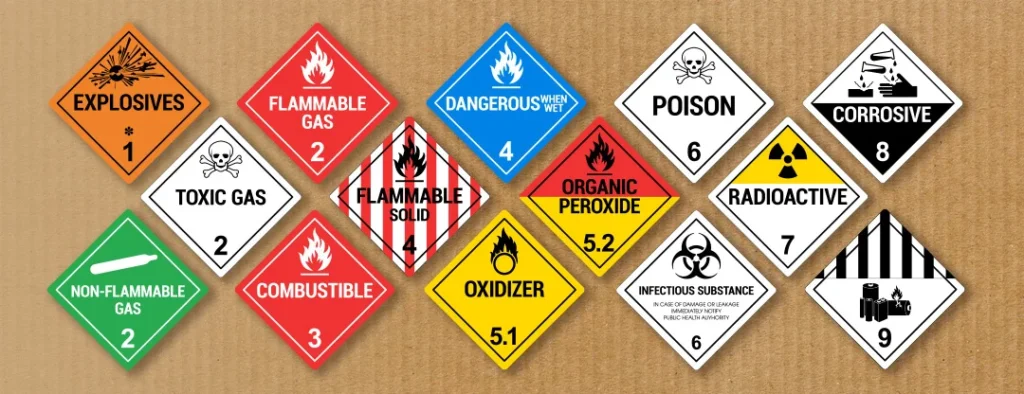
“Hazardous materials” (or hazmat) refer to substances that could pose a risk to health, property, or the environment when transported. These can include:
Flammable or combustible liquids (e.g., perfumes, cleaning supplies, nail polish)
Aerosols and gases (e.g., spray cans, compressed air)
Corrosives (e.g., batteries, chemical cleaners)
Oxidizers and organic peroxides
Toxic or infectious substances
Miscellaneous dangerous goods (Class 9) like lithium-ion batteries or dry ice
Even common consumer products can fall under hazmat regulations—especially in cosmetics, personal care, automotive, or household categories.
The Regulatory Framework
Hazardous shipping is regulated by multiple agencies, including:
DOT (Department of Transportation) — governs domestic shipping.
PHMSA (Pipeline and Hazardous Materials Safety Administration) — enforces hazmat transportation laws.
IATA (International Air Transport Association) — regulates air shipments of dangerous goods.
IMDG (International Maritime Dangerous Goods Code) — applies to ocean freight.
Non-compliance can result in fines exceeding $75,000 per violation—and suspension of carrier privileges.
The Hazmat Shipping Process
Here’s how a compliant 3PL like Upstate Prep manages the entire lifecycle of hazardous goods:
Product Identification:
Classify products into correct hazard classes and UN numbers.Packaging:
Use certified containers, absorbents, or liners depending on the material.Labeling:
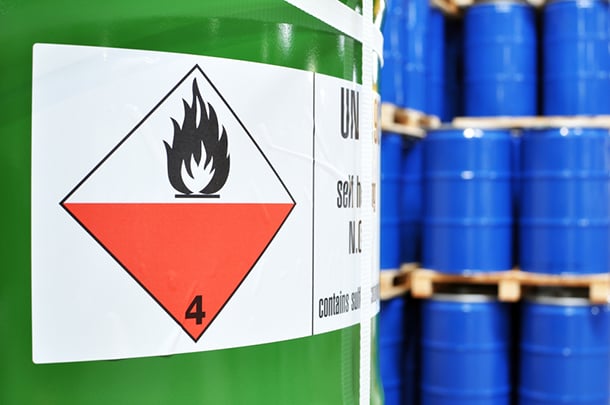
Apply required hazard labels, markings, and orientation arrows.Documentation:
Prepare safety data sheets (SDS) and shipping declarations.Carrier Coordination:
Work with authorized carriers trained for hazmat handling.Tracking and Compliance:
Maintain full visibility and compliance documentation throughout the journey.
Common Mistakes in Hazmat Shipping
Incorrect hazard class or UN identification
Missing or damaged labels
Shipping with untrained personnel
Using non-compliant packaging
Failing to update SDS information
Each mistake increases the risk of shipment rejection or regulatory penalties.
Why Work With a Certified 3PL Like Upstate Prep
At Upstate Prep, we specialize in FDA-certified, temperature-controlled, and DOT-compliant logistics—a combination rare in the 3PL space.
Our team is trained in hazardous materials handling and documentation, ensuring your products move safely across state lines and international borders.
Our capabilities include:
Certified hazmat storage and packaging
Air and ground hazmat shipping
SDS management and documentation support
Product compliance consultation
Final Thoughts
Shipping hazardous materials doesn’t have to be stressful—it just requires the right partner. With Upstate Prep, eCommerce brands can confidently ship aerosols, batteries, and chemical products knowing every step complies with DOT, IATA, and FDA standards.
Safe, compliant, and efficient—that’s the future of hazmat logistics.