
Navigating Amazon FBA Prep After Amazon Ends Its Prep Services in 2026
Amazon announced it will discontinue its in‑house FBA prep services on January 1 2026. This article explains what FBA prep entails, why the service is ending and how sellers can adapt by partnering with a 3PL.
What is FBA prep and why does it matter?
Fulfillment by Amazon (FBA) allows sellers to store products in Amazon’s fulfillment centers where Amazon handles storage, packing and shipping. To ensure products meet strict requirements, Amazon offered FBA prep services, which included inventory labeling, poly‑bagging and packaging tasks to prevent damaged or non‑compliant products.
Prep ensures each item meets Amazon’s packaging rules: loose items must be bagged or taped, sets must be marked “Sold as set,” poly‑bagged items need suffocation warnings, and boxes must pass a drop test. Sellers must also attach FNSKU or UPC barcodes and use approved protective materials such as bubble wrap and poly bags.
Amazon’s decision to end FBA prep services
According to Amazon, sellers have become more adept at handling their own packaging and labeling, so the company will end FBA prep services on January 1 2026.
Shipments processed before December 31 2025 remain eligible, but orders processed after that date must be prepped by sellers or a third‑party provider. The end of FBA prep is more than a minor policy change; many sellers rely on the service to save time and resources. Without proper prep, non‑compliant products may be refused or delayed, reducing seller performance metrics.
Key Amazon Prep Requirements (still in effect)
Labeling: Each unit needs an FNSKU or UPC barcode so Amazon can track it throughout the fulfillment process. Bundles must be labeled as a single unit.
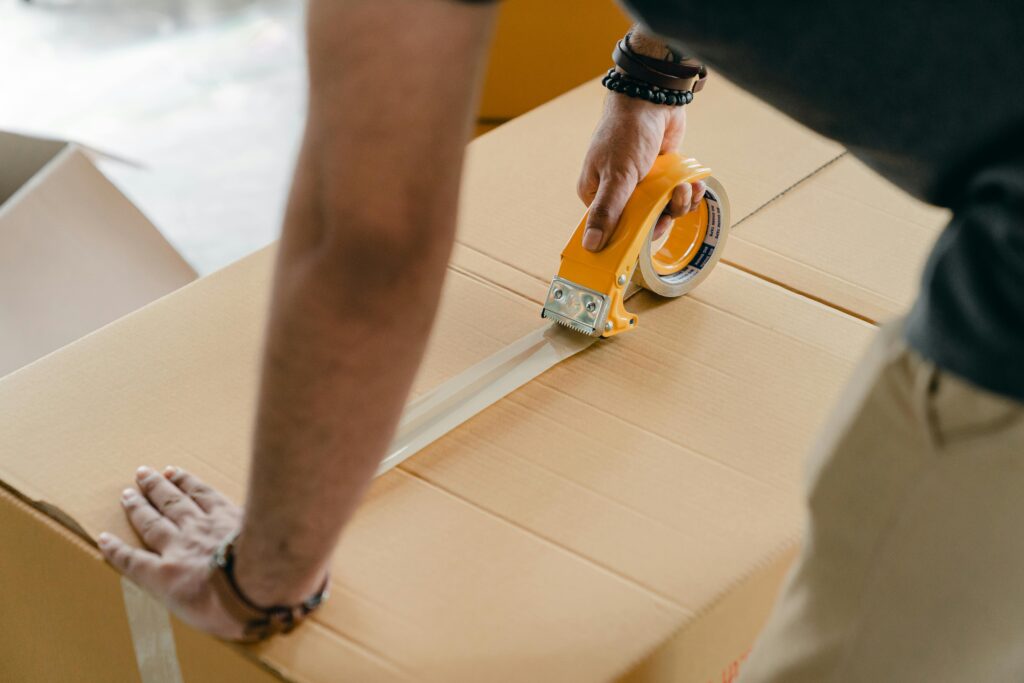
Packaging: Products should be clean, intact and sealed. Fragile items require bubble wrap and must pass a 3‑foot drop test. Sets must be taped or shrink‑wrapped. Products with liquid contents need double sealing and must be in leak‑proof poly bags with suffocation warnings.
Special product types: Perishables need expiration dates and temperature compliance; clothing must be placed in clear bags with suffocation warnings; battery‑powered devices must be secured to prevent activation; and sharp items must have protective covers.
Common Mistakes and Consequences
Sellers often neglect thorough inspection, mislabel products, or use inadequate packaging. Such mistakes can lead to misplacement, returns, extra fees and even account suspension. Amazon’s withdrawal of in‑house prep will amplify these risks.
How a 3PL can help with FBA prep
With the upcoming policy change, sellers have two choices: build an in‑house prep operation or outsource to a 3PL. A reliable 3PL offers:
Expertise and compliance: Teams trained in Amazon’s latest packaging and labeling rules ensure compliance and minimize errors. 3PLs stay current on updates and can adapt quickly when policies change.
Scalable operations: Facilities in South Carolina and Oregon allow for efficient shipping to Amazon fulfillment centers on both coasts. Our 3PL supports small sellers as well as high‑volume brands.
Cost‑effective prep: Outsourcing eliminates the need to hire staff or buy equipment. With per‑unit pricing and efficient workflows, prep becomes predictable and scalable.
Conclusion
As Amazon sunsets its FBA prep service, sellers must adapt quickly. Partnering with a 3PL that specializes in FBA compliance lets brands focus on growth while ensuring inventory meets Amazon’s strict standards. Preparing now, rather than waiting until the end of 2025, will prevent delays and safeguard seller performance.